★★★★★
This company is very flexible and very caring and great to work with. They did mold remediation for us and successfully cleaned the whole house, ensuring no more mold iss... Read more
Mold Pro Solutions - Frequently Asked Questions
Direct answers to the most common questions about mold inspection, testing, remediation, water damage, and air quality from Montgomery County’s IICRC-certified team. Updated for 2026.
Most homeowner policies do not cover inspection costs directly. However, if mold is discovered and resulted from a covered peril (like a sudden pipe burst), the inspection cost may be reimbursable as part of the overall claim. We provide detailed documentation with moisture readings, photos, and lab results that meet the requirements of all major insurance carriers in Maryland.
Mold inspections are credited toward remediation when you proceed (and free during promotional periods), air quality testing starts at $549, and remediation typically ranges from $1,500 to $10,000 depending on the scope of contamination and affected area. Larger homes common in Potomac and Bethesda with extensive basement systems may run higher. Mold Pro provides free, detailed written estimates with transparent pricing — you know the exact cost before any work begins.
Mold inspections are credited toward remediation when you proceed (and free during promotional periods); see the Mold Inspection page for today's offer. Mold testing with lab analysis starts at $549. Remediation is quoted based on the scope of contamination and typically ranges from $1,500 to $10,000 for residential projects. We provide free, detailed written estimates before any remediation work begins.
Referral fees depend on your partner type: plumbers earn $250 per completed job, insurance agents earn $300, and home inspectors earn $200. Property managers receive Net-30 payment terms instead of per-job fees. All fees are paid within 7 business days of completed work.
The four biggest cost drivers: (1) affected square footage and how many rooms involved; (2) substrate type — porous materials (drywall, carpet, insulation) require removal; non-porous (tile, sealed concrete) can be cleaned in place; (3) HVAC contamination, which adds ductwork cleaning; (4) accessibility — finished basements with paneling are more complex than open utility areas.
Wide variance usually reflects scope differences, not just markup. Some contractors include only surface cleaning; Mold Pro's IICRC S520 protocol includes containment, HEPA filtration, full removal of porous contaminated materials, antimicrobial treatment, and preparation for independent post-remediation verification. Always verify what's included before comparing prices.
Mold Pro applies the inspection fee as a credit toward the remediation cost when both services are booked together — effectively making the inspection free if you proceed with remediation. This applies to inspections within 30 days of the remediation start date.
Every inspection includes: full visual assessment, FLIR thermal imaging, calibrated moisture mapping, HVAC and crawl space evaluation, written report with photos within 48 hours, and a free phone follow-up to discuss findings. Lab testing is offered as an optional add-on if visible mold is found.
Typically 3–5 days for most residential water damage. We monitor moisture levels daily with professional pin and pinless meters and only remove drying equipment when readings confirm the structure is completely dry. Rushing this step — or relying on household fans — leaves hidden moisture that leads to mold growth. Our industrial LGR dehumidifiers and high-velocity air movers are significantly more effective than consumer equipment.
Timeline depends on project scope. Small areas (under 50 sq ft) typically take 1–3 days. Medium projects (50–200 sq ft) take 3–5 days. Large-scale remediation involving multiple rooms, HVAC systems, or structural components may take 1–2 weeks. We provide a detailed timeline in your written estimate before any work begins, and keep you updated with daily progress reports.
We offer 24/7 emergency response with crews typically on-site the same day throughout Montgomery County — including Potomac, Bethesda, Rockville, and all surrounding neighborhoods. For active flooding, sewage backup, or burst pipes, we prioritize immediate dispatch. Call our emergency line anytime — nights, weekends, and holidays included.
Lab results arrive within 48–72 hours of sample collection. We email the full lab report and schedule a phone call to walk you through every finding.
On-site sampling takes 1–2 hours depending on your home’s size and the number of parameters being tested. Lab results are typically available within 48–72 hours. We schedule a follow-up call to review your results, explain what the numbers mean, and walk through our prioritized recommendations.
Most residential inspections in Montgomery County take 1–2 hours, depending on property size and complexity. Larger homes common in Potomac and Bethesda (3,000–6,000+ sq ft) may take 2–3 hours for a thorough assessment. We never rush an inspection — thoroughness is the entire point.
We offer same-day inspections when you call before noon. Next-day appointments are almost always available. For active water damage emergencies, we dispatch within 60–90 minutes, 24/7. We serve all Montgomery County addresses from Potomac to Silver Spring, Bethesda to Olney.
Mold can begin colonizing wet drywall, insulation, and wood within 24–48 hours of water intrusion. In Montgomery County’s humid summer climate (65–74% average relative humidity), that timeline can be even shorter. This is why emergency water extraction and structural drying immediately after a pipe burst, flood, or storm leak is the single most effective mold prevention step. Mold Pro Solutions offers 24/7 emergency water damage response specifically because timing is critical.
We carefully protect and relocate contents before work begins. Items in the immediate work area are either moved to a clean area of your home or, for larger projects, stored safely on-site under protective covering. Soft goods (clothing, upholstered furniture) that were exposed to mold are evaluated — many can be professionally cleaned and restored. Items contaminated beyond salvage are documented with photos for insurance claims. We treat your belongings and your home with respect throughout.
Every Mold Pro Solutions remediation project is prepared for independent post-remediation verification: an outside inspector of your choice collects air samples inside the containment area and an AIHA-accredited laboratory compares them against outdoor baselines. When you order it, containment stays up until the results confirm spore levels are back to normal background concentrations, and the report becomes part of your project documentation — the record real estate transactions and insurers ask for.
You receive a detailed written report documenting all findings with photos and moisture readings, plus a clear recommendation for next steps. If remediation is needed, we provide a transparent written estimate. If remediation is NOT needed, we tell you honestly — we’d rather earn your trust than sell unnecessary work.
The extensive impervious surface area along the Rockville Pike (MD-355) corridor generates concentrated stormwater runoff that flows toward adjacent residential neighborhoods. This runoff can overwhelm residential storm drain capacity and cause surface flooding or elevated groundwater in homes that sit downgrade from the commercial areas.
IICRC S520 protocol: (1) inspection and scope-definition; (2) containment with plastic barriers and negative-pressure HEPA filtration; (3) removal of all contaminated porous materials; (4) HEPA-vacuum and antimicrobial treatment of remaining surfaces; (5) air-scrubbing the contained space; (6) independent post-remediation clearance testing before reopening. Total timeline: 2-5 days for typical residential.
Mold returns only if the underlying moisture source isn't fixed. Mold Pro's remediation always includes identifying and addressing the moisture source — leak repair, ventilation improvements, dehumidifier sizing, or waterproofing. With the moisture source eliminated and the work verified, recurrence is unusual.
Independent post-remediation clearance testing — air samples taken inside the contained area and compared to outdoor baseline. Lab results must show indoor counts at or below outdoor levels for indoor-grown species before Mold Pro signs off. This documentation is provided to homeowners for insurance and disclosure purposes.
For most jobs, no — affected areas are fully sealed off with negative-pressure containment so spores cannot escape into living areas. Larger jobs involving HVAC contamination or whole-floor remediation may require 2-5 days of relocation. Mold Pro discusses this clearly during the inspection scope-definition.
Yes — significantly. The EPA ranks indoor air pollution among the top 5 environmental health risks in America. Short-term effects include headaches, fatigue, respiratory irritation, and allergic reactions. Long-term exposure to elevated mold, VOCs, or fine particulates can cause chronic respiratory disease, neurological effects, and — for certain chemicals like formaldehyde and benzene — increased cancer risk. Children, elderly, and immunocompromised individuals are especially vulnerable.
There is no single EPA or OSHA “safe” threshold for residential mold spore counts. Instead, the standard is comparison: indoor spore levels should be equal to or lower than outdoor levels. In Montgomery County, outdoor baseline counts typically range from 2,000–8,000 spores/m³ depending on season. If indoor levels exceed outdoor levels — or if toxigenic species like Stachybotrys chartarum or Chaetomium are detected at any concentration — professional remediation is recommended.
Yes. Certain mold species produce mycotoxins that can cause respiratory issues, allergic reactions, chronic sinus infections, and exacerbate asthma. The most commonly found species in Montgomery County homes — Cladosporium, Penicillium, Aspergillus, and Stachybotrys (black mold) — range from allergenic to potentially toxic. Children, elderly individuals, and those with compromised immune systems are most vulnerable. The EPA recommends professional remediation for any mold-affected area larger than 10 square feet.
Most "black mold" is Stachybotrys chartarum, which produces mycotoxins that can cause respiratory irritation, headaches, and chronic fatigue with prolonged exposure. Sensitive groups — children, elderly, asthmatics, immunocompromised — are at higher risk. Treat any visible black-tinged growth as serious until tested.
Yes. Indoor mold spores are a documented asthma trigger. The CDC and EPA both confirm that mold exposure can cause new asthma in children and worsen symptoms in existing asthmatics. If anyone in your home has unexplained wheezing, chronic cough, or recurring sinusitis, mold testing is warranted.
Yes — both populations spend more time at floor level (where heavier spores settle) and have developing or smaller respiratory systems. Common signs in children: persistent runny nose, ear infections, sleep disruption. In pets: excessive licking, skin irritation, lethargy. Both warrant investigation.
For small, contained jobs (under 10 sq ft), you can typically stay home with the affected room sealed off. For larger remediation involving HVAC contamination or whole-floor work, Mold Pro recommends temporary relocation — usually 2–5 days — particularly if anyone in the household has a respiratory condition.
Common indicators include: persistent runny or stuffy nose, sneezing, watery eyes, coughing, headaches that ease when away from home, skin rashes, and worsening asthma or allergies. Symptoms that improve when you leave the house and return when you come back are a strong indicator of an indoor air quality issue.
Coverage depends on the cause. Mold resulting from sudden, accidental events (burst pipes, storm damage, appliance failures) is typically covered by standard homeowner policies. Mold from gradual moisture intrusion, deferred maintenance, or long-term humidity issues is often excluded. We provide complete documentation — including lab test results, photo documentation, moisture readings, and detailed scope of work — and work directly with your insurance adjuster to maximize your claim.
Most standard homeowner policies cover sudden and accidental water damage — burst pipes, appliance failures, storm damage, and accidental overflow. Flood damage from rising water (creek overflow, storm surge) typically requires separate NFIP flood insurance. Gradual leaks and deferred maintenance are often excluded. We provide complete documentation from minute one and work directly with your insurance adjuster to maximize your claim.
Yes. Our inspection reports are specifically formatted for use in real estate transactions, insurance claims, and legal proceedings. We are an IICRC Certified Firm with Maryland state licensing, and our reports include calibrated instrument readings, photo documentation, and lab results (when testing is included) that meet the evidentiary standards required by all parties.
It depends on the cause. Most homeowners policies cover mold that results from a “covered peril” — such as a sudden pipe burst or appliance failure. Mold from long-term neglect, chronic moisture, or flooding (separate flood policy required) is typically excluded. Mold Pro provides detailed documentation with moisture readings, lab results, and photo evidence that your insurance adjuster will need to process a claim.
Standard homeowners insurance covers water damage from internal sources (pipes, appliances, roof leaks) but excludes flooding from external surface water. Flood insurance (usually through NFIP) covers flood-caused damage but has very limited mold coverage and only for the building, not personal property. If you're in a MoCo FEMA AE zone, you likely need both.
Yes. We work directly with all major insurance carriers operating in Maryland. Our inspection and remediation reports are specifically formatted to include the moisture readings, photographs, lab results, and itemized scope-of-work estimates that insurance adjusters require. We can communicate with your adjuster directly to streamline the claims process.
Yes. We work directly with your insurance adjuster and provide all required documentation including detailed inspection reports with moisture readings, photographs, lab results, and itemized scope-of-work estimates. Our documentation format is designed specifically to meet the requirements of major insurance carriers operating in Maryland.
Maryland homeowners policies typically cover mold remediation when mold results from a sudden and accidental covered peril — like a burst pipe or storm damage. Mold from gradual leaks or poor maintenance is usually excluded. Most policies cap mold coverage between $5,000 and $10,000 unless you've added an endorsement.
The five species Mold Pro lab partners identify most often in Montgomery County are: Cladosporium (allergenic, very common in basements), Aspergillus (broad family, some toxigenic strains), Penicillium (musty smell, common after water damage), Alternaria (allergenic, near windows and showers), and Stachybotrys ("black mold," requires sustained moisture).
Stachybotrys chartarum is a slow-growing, dark green-to-black mold that requires sustained moisture (≥3 days) on cellulose materials like drywall, ceiling tiles, and wood. It produces mycotoxins (trichothecenes) that can cause significant health effects with prolonged exposure. It is the species most often referenced as "toxic black mold" in news reports.
Mildew is a surface-level mold, typically white or gray, growing on damp surfaces in bathrooms or on plants — easily wiped off. True mold (Cladosporium, Aspergillus, Penicillium, Stachybotrys) embeds into porous materials, often appears black/green/brown, and cannot be wiped away cleanly. If a "mildew" stain doesn't lift with bleach and a sponge, it's mold.
Allergenic molds (Cladosporium, Alternaria) cause allergic responses but are not directly harmful otherwise. Pathogenic molds (some Aspergillus species) can cause infections in immunocompromised people. Toxigenic molds (Stachybotrys, some Penicillium and Aspergillus) produce mycotoxins that can cause systemic health effects with prolonged exposure.
No. Many species appear black or dark — Cladosporium, Aspergillus niger, and Alternaria can all look similar to Stachybotrys without lab testing. Only species-level identification through air or surface sampling can confirm whether you have toxigenic Stachybotrys or a less harmful look-alike.
Basements: Cladosporium and Stachybotrys (sustained moisture, drywall behind paneling). Bathrooms: Alternaria and Aureobasidium (showers, grout, around fixtures). HVAC and air handlers: Penicillium and Aspergillus (condensate pans, evaporator coils). Each species has different remediation requirements based on growth substrate.
No — outdoor air always contains some mold spores, and indoor air will always reflect that baseline. The key metric is the indoor-to-outdoor ratio: if indoor counts of indoor-grown species (especially Stachybotrys, Chaetomium) exceed outdoor levels, that indicates active indoor growth. Levels under 1,500 spores/m³ are typically considered acceptable.
"Elevated" generally means the indoor sample shows higher counts of one or more species than the matched outdoor control — indicating an indoor growth source. AIHA-accredited labs typically flag "elevated" when indoor counts exceed outdoor by 2× or more for a single species. The Mold Pro report explains exactly which species are elevated and what that means for your home.
Very likely, yes. Potomac Crest homes from the 1970su20131980s commonly placed air handling units in unconditioned attic spaces, and this is the single most frequent hidden mold source we find in this neighborhood. The condensate pan beneath the air handler collects the moisture AC systems remove from household air, and it drains through a line that is prone to clogging with algae and sediment. When the line clogs, the pan overflows slowly u2014 often unnoticed for weeks u2014 saturating ceiling insulation and drywall below. By the time a visible stain appears, significant mold colonization has usually already occurred in the insulation cavity. If you see any ceiling staining beneath an attic HVAC location, we recommend immediate inspection.
Yes, strongly recommended for any Potomac Village home built pre-1970. Renovation projects frequently uncover hidden mold that has been colonizing inside wall cavities for years u2014 behind original cabinetry, under old flooring, and in chases where plumbing has leaked intermittently. Pre-renovation inspection lets you plan remediation scope and budget rather than discovering a $5,000 mold problem halfway through a $40,000 renovation.
Yes — basement remediation is typically 20-40% more expensive due to higher moisture content, harder-to-reach areas, finished-basement complications (drywall, paneling, flooring), and the higher likelihood of structural saturation. Average basement remediation in Montgomery County runs $2,500-$8,000.
Yes — crawl space mold and moisture affect indoor air quality through the "stack effect" (warm air rising pulls air up from below). Up to 40% of the air you breathe upstairs originated in your crawl space. Untreated crawl space mold also rots floor joists and subfloors.
Yes. Mold grows in air handlers, evaporator coils, condensate drain pans, and ductwork — anywhere moisture and organic matter combine. HVAC mold is especially serious because the system actively distributes spores throughout the home. Signs: musty smell when AC kicks on, unexplained allergy symptoms.
Attic mold is usually caused by inadequate ventilation or roof leaks, and shows up on the underside of roof decking. Health risk is lower than basement mold (less daily air exchange with living spaces) but structural risk is real — prolonged growth can rot rafters and decking.
Yes — both kitchens and bathrooms have decades of cumulative moisture exposure behind walls and under floors. Pre-renovation testing identifies hidden mold before demolition releases spores throughout the home. The cost (from $549) is far less than discovering and remediating mold mid-renovation.
Surface mildew on shower grout is mostly Aureobasidium and Cladosporium — usually allergenic but not deeply harmful. Aggressive growth, growth that returns within days of cleaning, or growth spreading to adjacent walls suggests a leak behind the wall and warrants professional inspection.
A mold inspection is a visual and instrument-based assessment that locates moisture problems and visible mold. Mold testing goes further by collecting physical samples and sending them to an AIHA-accredited lab for species identification and spore counting. Think of inspection as the “where” and testing as the “what and how much.” Many clients benefit from both — we often bundle inspection + testing for comprehensive results.
You can look for visible mold, but professional inspectors use FLIR thermal imaging cameras ($5,000+ instruments) and calibrated moisture meters to detect hidden moisture behind walls, under floors, and in ceiling assemblies — areas invisible to the naked eye. In Montgomery County homes with 50–80 year old construction, the most dangerous mold is almost always hidden inside wall cavities and under materials.
We strongly recommend it, especially for homes built before 1980. A standard home inspection does not include detailed mold assessment with thermal imaging and moisture meters. Given that approximately 45% of Montgomery County homes were built before 1970, a pre-purchase mold inspection can identify costly hidden problems before you close — potentially saving tens of thousands in remediation costs.
A mold inspection is a visual and instrument-based assessment to find mold growth and moisture sources. Mold testing involves collecting air or surface samples that are sent to an AIHA-accredited laboratory to identify specific mold species and spore concentration levels. We offer both services and can add lab sampling to any inspection: surface sampling for $150 or an air quality check for $300.
Ensure our inspector can access all areas of concern — move furniture or stored items away from walls in basements, crawl space access points, and attic hatches if possible. Make note of any areas with visible mold, water stains, musty odors, or past water damage events. If you have previous inspection reports, lab results, or insurance correspondence, having those available is helpful. No other preparation is needed.
We strongly recommend pre-remediation testing for three reasons: (1) it establishes a documented baseline for insurance claims, (2) species identification determines the appropriate remediation protocol — Stachybotrys requires full containment while Cladosporium may not, and (3) pre-remediation data provides the comparison point for post-remediation clearance testing. Without baseline data, there’s no scientific way to verify remediation was successful.
For the most accurate air sampling results: keep windows and exterior doors closed for at least 12 hours before your appointment, run your HVAC system normally, avoid vacuuming or sweeping for 24 hours before sampling, and don’t use air purifiers or dehumidifiers in the test areas. These conditions ensure the samples represent your normal indoor environment rather than a temporarily improved one.
Yes. We provide professional mold testing for commercial properties, offices, retail spaces, schools, and multi-unit residential buildings throughout Montgomery County. Commercial testing often requires more sample points and may include additional parameters like bacterial screening. Contact us for a customized commercial testing proposal.
Both. Pre-remediation air quality testing identifies the extent and species of mold present, which determines the remediation protocol. Post-remediation clearance testing verifies that mold counts have returned to normal background levels — and provides documentation if you need to disclose remediation work during a home sale.
Lab-based mold testing using AIHA-accredited labs is highly accurate at species identification and spore quantification. DIY petri-dish kits show only that mold spores exist (which they always do indoors and outdoors) — they cannot identify species or compare to outdoor baseline, making them effectively useless for diagnosis.
“Mold removal” implies eliminating all mold — which is impossible since mold spores exist naturally everywhere. “Mold remediation” is the correct term: it means restoring your indoor environment to normal, healthy conditions where mold spore levels are at or below natural outdoor baselines. This involves containment, removal of contaminated materials, antimicrobial treatment, moisture correction, and clearance testing to verify success.
For small, well-contained projects in isolated areas (a single bathroom or utility room), you can usually stay home. For larger projects involving multiple rooms, HVAC work, or projects where containment barriers are near living spaces, we recommend temporarily relocating — especially if household members have respiratory conditions or allergies. We’ll advise based on your specific project scope.
Three key differences: (1) We are locally owned and operated in Montgomery County — not a franchise with rotating technicians from other markets. (2) We specialize exclusively in mold and water damage — not general restoration, fire damage, or biohazard cleanup. This specialization means deeper expertise. (3) Our 2-year warranty is the strongest in the Montgomery County market — most competitors offer 1 year or no warranty at all.
Yes. After our on-site inspection, we provide a detailed written remediation estimate at no additional charge. The estimate includes an itemized breakdown of all work, materials, and testing required. There is no obligation to proceed — the estimate is yours to review, get second opinions on, or share with your insurance company.
Yes, through a third-party lending partner. Mold Pro Solutions does not lend money itself. Financing is available for mold remediation and water damage projects of $1,000 or more; the lender reviews each application and decides approval, rates and terms. Check your homeowners insurance first: mold from a sudden, covered water event may be part of a claim, which can reduce what you need to finance.
Category 1 (clean water) comes from sanitary sources like broken supply lines. Category 2 (gray water) contains contaminants from sources like washing machines or dishwashers. Category 3 (black water) is sewage, floodwater, or any standing water older than 72 hours — it’s highly contaminated and dangerous. The category determines the restoration protocol: Category 1 may allow material salvage, while Category 3 requires full PPE and removal of all affected porous materials. Importantly, clean water left standing for 48+ hours downgrades to Category 2.
Mold can begin growing within 24–48 hours on wet materials — that’s why speed matters. Professional extraction and drying within the first 24 hours dramatically reduces mold risk. We also apply EPA-registered antimicrobial treatments as an additional safeguard. If you’re concerned about mold after a water event, we recommend post-restoration air quality testing to verify your indoor environment is safe.
Yes. We handle the entire project from emergency response to final restoration: water extraction, structural drying, antimicrobial treatment, drywall replacement, flooring installation, painting, trim work, and finish carpentry. One company, one point of contact, one insurance claim. We restore your property to pre-loss condition and handle all insurance documentation throughout.
Mold colonization begins within 24-48 hours of water contact on drywall, carpet, insulation, and wood. Acting within the first 24 hours typically saves 60-70% of the total project cost vs. delayed response. Mold Pro's same-day Montgomery County response is designed to stay ahead of that mold-growth window.
Sudden, accidental water events (burst pipes, appliance failures, storm intrusion) are typically covered by standard homeowners policies, including resulting mold up to a coverage cap (usually $5,000-$10,000). Long-term hidden leaks or flood-source events typically require separate riders. Mold Pro provides full insurance documentation packages.
Common evidence-based recommendations include: (1) upgrade HVAC filters to MERV 11 or higher and replace every 90 days, (2) maintain indoor humidity between 30–50% using dehumidifiers, (3) ensure adequate ventilation — especially in kitchens and bathrooms, (4) address water leaks and moisture intrusion promptly, (5) use low-VOC paints, cleaning products, and building materials, (6) add HEPA air purifiers in high-use rooms, and (7) have your HVAC system professionally cleaned annually. Our report provides specific, prioritized recommendations based on your actual test data.
Mold testing focuses specifically on mold spores — species identification and spore concentration per cubic meter. Air quality testing is broader: it includes mold analysis plus VOCs (volatile organic compounds), particulate matter (PM2.5/PM10), bacteria, humidity, CO2, and other environmental parameters. Think of mold testing as one component of a comprehensive IAQ assessment. If your concern is specifically mold, start with mold testing. If you want a complete picture of what you’re breathing, choose IAQ testing.
Consumer air quality monitors (like those from Awair, Purple Air, or similar brands) provide useful real-time trend data for particulates, CO2, and humidity. However, they cannot identify specific mold species, measure spore concentrations, detect individual VOC compounds, or provide the AIHA-accredited lab analysis required for insurance claims, real estate transactions, or health-related decisions. Professional testing and consumer monitoring are complementary — not interchangeable.
While not legally required in Maryland, IAQ testing is increasingly requested by buyers — especially for older homes, properties with known water damage history, or homes near flood-prone areas. A clean IAQ report adds confidence to a sale and can prevent deal-killing surprises during the due diligence period. For sellers, proactive testing demonstrates transparency. We provide professional reports suitable for real estate transactions, insurance documentation, and legal proceedings.
For the most accurate results: keep windows and exterior doors closed for 12–24 hours before your appointment, run your HVAC system normally, avoid heavy cleaning or vacuuming for 24 hours before testing, don’t use air fresheners or scented candles, and don’t run portable air purifiers in the test areas. These closed-building conditions ensure samples represent your normal indoor environment.
Customer Reviews
Zoe V
Manor Woods, Rockville MD
This company is very flexible and very caring and great to work with. They did mold remediation for us and successfully cleaned the whole house, ensuring no more mold iss... Read more
Jason Cohen
Great Seneca, Germantown MD
Responsive, scheduled relatively quickly, actually showed up at the scheduled time, the techs were very respectful of my home and did a great job cleaning up after themse... Read more
Kitty BenSimon
Crown, Gaithersburg
I cannot recommend Mold Pro Solutions enough. Discovering mold in our home was stressful, but their team handled everything with white-glove professionalism. They didn't... Read more
Zeus Dolor
Dumont Oaks, Silver Spring
Mold Pro Solutions did an excellent job from start to finish. They were professional, responsive, and took the time to explain what was causing the mold problem and what... Read more
Rachel Michele
Glen Mar Park, Bethesda
Very highly recommend Sean
Sandrine Church
Orchard Knolls, North Potomac
Exceptional experience that is hard to find. Sean is incredibly knowledgeable professional, personable, and concerned about safety above all. Proposals are super reasonab... Read more
Cameron Goudarznia
Congressional Country Club Falconhurst, Potomac
We recently hired Mold Pro Solutions to remediate mold in our bathroom and attic, and the experience was excellent from start to finish. The team was professional, knowle... Read more
Dunia Rodriguez
Saddle Ridge, Potomac
I had Mold Pro Solutions remediate mold in my basement after discovering moisture damage behind the walls. From the initial inspection to the final cleanup, the entire pr... Read more
Tatiana Bermudez
Kenwood, Bethesda
Mold Pro Solutions did an outstanding job remediating mold in my basement. They showed up on time, tested everything, and explained the whole process step by step. The wo... Read more
Mariangela Prete
Glen Hills, Potomac
Mold Pro Solutions did a fantastic job on our shower mold remediation and reconstruction. They thoroughly removed all the mold, treated the area properly, and rebuilt the... Read more
Olga Wakid
Edgemoore, Bethesda
Outstanding service from Mold Pro Solutions! They handled a complex mold remediation job in our attic and HVAC system quickly and professionally. The team was punctual, t... Read more
Micheal B.
River Falls, Potomac Md
I highly recommend Mold Pro Solutions! We recently discovered mold in our attic and were incredibly stressed about it. From the initial inspection to the final walkthroug... Read more
Ned Suleiman
neelsville, Germantown MD
We recently had to deal with a stressful situation in our kitchen that required both mold remediation and a complete rebuild. I cannot recommend mold Pro solutions enough... Read more
Brian Pickering
Woodcliffe Park, Boyds MD
I had mold remediation completed in my utility room and HVAC unit by Mold Pro Solutions, and the entire experience was smooth and stress-free. The team was professional,... Read more
Scott Gershman
Crown, Gaithersburg MD
Outstanding Service – Incredibly Professional and Neat! I cannot recommend Mold Pro Solutions highly enough. Discovering mold is always stressful, but their team made the... Read more
Jsalaum
Clarksburg village, Clarksburg MD
Incredible team! Their professionalism was on full display from start to finish—they were punctual, respectful, and clearly knew their stuff. I suspected a minor issue, b... Read more
Johan
King Farm, Rockville MD
I can’t thank Mold Pro Solutions enough! They recently remediated and completely rebuilt my master bedroom shower after a mold issue. They worked so efficiently and did s... Read more
Zoe V
Manor Woods, Rockville MD
This company is very flexible and very caring and great to work with. They did mold remediation for us and successfully cleaned the whole house, ensuring no more mold iss... Read more
Jason Cohen
Great Seneca, Germantown MD
Responsive, scheduled relatively quickly, actually showed up at the scheduled time, the techs were very respectful of my home and did a great job cleaning up after themse... Read more
Kitty BenSimon
Crown, Gaithersburg
I cannot recommend Mold Pro Solutions enough. Discovering mold in our home was stressful, but their team handled everything with white-glove professionalism. They didn't... Read more
Zeus Dolor
Dumont Oaks, Silver Spring
Mold Pro Solutions did an excellent job from start to finish. They were professional, responsive, and took the time to explain what was causing the mold problem and what... Read more
Rachel Michele
Glen Mar Park, Bethesda
Very highly recommend Sean
Sandrine Church
Orchard Knolls, North Potomac
Exceptional experience that is hard to find. Sean is incredibly knowledgeable professional, personable, and concerned about safety above all. Proposals are super reasonab... Read more
Cameron Goudarznia
Congressional Country Club Falconhurst, Potomac
We recently hired Mold Pro Solutions to remediate mold in our bathroom and attic, and the experience was excellent from start to finish. The team was professional, knowle... Read more
Dunia Rodriguez
Saddle Ridge, Potomac
I had Mold Pro Solutions remediate mold in my basement after discovering moisture damage behind the walls. From the initial inspection to the final cleanup, the entire pr... Read more
Tatiana Bermudez
Kenwood, Bethesda
Mold Pro Solutions did an outstanding job remediating mold in my basement. They showed up on time, tested everything, and explained the whole process step by step. The wo... Read more
Mariangela Prete
Glen Hills, Potomac
Mold Pro Solutions did a fantastic job on our shower mold remediation and reconstruction. They thoroughly removed all the mold, treated the area properly, and rebuilt the... Read more
Olga Wakid
Edgemoore, Bethesda
Outstanding service from Mold Pro Solutions! They handled a complex mold remediation job in our attic and HVAC system quickly and professionally. The team was punctual, t... Read more
Micheal B.
River Falls, Potomac Md
I highly recommend Mold Pro Solutions! We recently discovered mold in our attic and were incredibly stressed about it. From the initial inspection to the final walkthroug... Read more
Ned Suleiman
neelsville, Germantown MD
We recently had to deal with a stressful situation in our kitchen that required both mold remediation and a complete rebuild. I cannot recommend mold Pro solutions enough... Read more
Brian Pickering
Woodcliffe Park, Boyds MD
I had mold remediation completed in my utility room and HVAC unit by Mold Pro Solutions, and the entire experience was smooth and stress-free. The team was professional,... Read more
Scott Gershman
Crown, Gaithersburg MD
Outstanding Service – Incredibly Professional and Neat! I cannot recommend Mold Pro Solutions highly enough. Discovering mold is always stressful, but their team made the... Read more
Jsalaum
Clarksburg village, Clarksburg MD
Incredible team! Their professionalism was on full display from start to finish—they were punctual, respectful, and clearly knew their stuff. I suspected a minor issue, b... Read more
Johan
King Farm, Rockville MD
I can’t thank Mold Pro Solutions enough! They recently remediated and completely rebuilt my master bedroom shower after a mold issue. They worked so efficiently and did s... Read more
REAL PROJECTS & RESOURCES
Go deeper on costs, warning signs, and how real remediation projects played out.
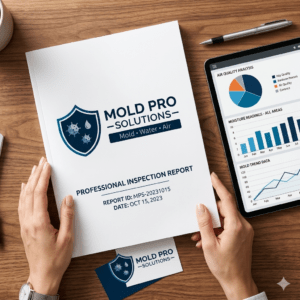
A Full Pricing Breakdown for Homeowners
What to expect from $1,500 to $10,000+ — and how to evaluate any quote you receive.
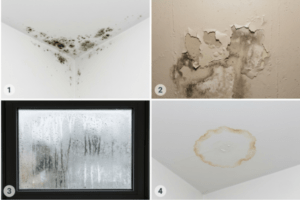
7 warning signs you might have mold growing in your home — from visible growth and musty smells to hidden moisture stains. Montgomery County homeowners: know what to look for.
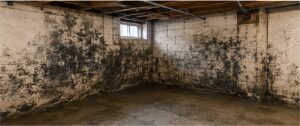
A finished Potomac basement developed musty odors and visible mold after repeated heavy-rain seepage. Mold Pro Solutions contained the area, removed contaminated materials, cleaned, dried, and prepared the space for verification.
Talk to a real IICRC-certified inspector. Free phone consultations, no obligation, same-day scheduling for Montgomery County, MD.

Fill out the form below and we’ll contact you within 1 hour.
What do you need help with?
Which mold service do you need?
Do you see visible mold?
Have any photos? (optional)
Photos help us give a more accurate estimate.
How urgent is your situation?
What's your main concern?
Best time to call you?
Complete your request
A licensed technician reviews this personally — response within 1 hour, 24/7.